
Senator Gordon Calls for Action on Privacy and License Plate Reader Concerns
August 10, 2026
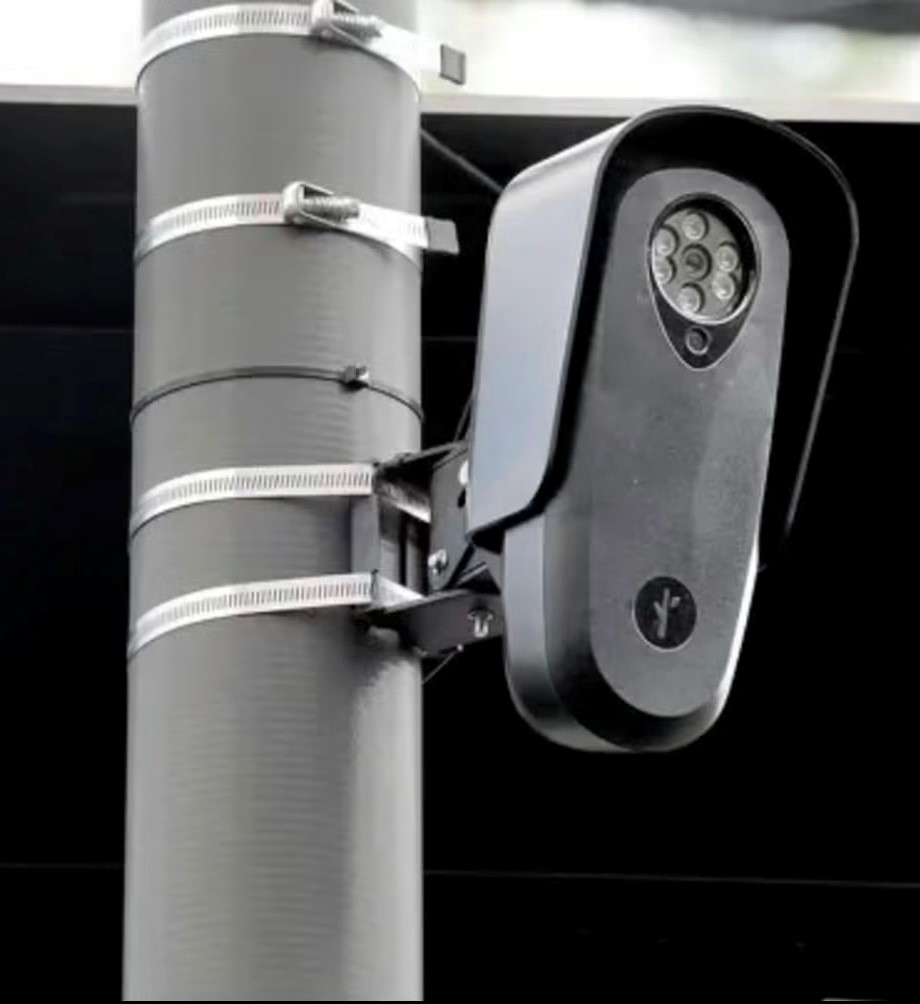
HARTFORD, CT – State Senator Jeff Gordon (R-Woodstock) released the following statement regarding automated license plate reader cameras, including Flock systems, privacy concerns, and the need for greater public information and oversight.
“I share the concerns of my constituents and others about privacy, data collection, data sharing, and use. There’s been a lot in the news recently about Flock automated license plate reader cameras. I’ve spoken with constituents and law enforcement in the 35th Senate District. I’ve been interviewed by the news and have stated a public position.
I remain concerned about a “Big Brother” government surveillance system that tracks what we are doing in our daily lives. I am also concerned about the private businesses that make money from collecting information about us and the criminals who hack systems to get the data for harmful purposes. Protecting all our rights and freedoms is something I take very seriously.
I also take seriously the safety and security of all residents of the 35th Senate District. That is why, as a member of the Public Safety and Security Committee, I continue to work with law enforcement agencies and others to find the best ways to keep everyone safe. We must restore laws that give law enforcement the full ability to do their jobs. We must restore laws that hold criminals accountable and respect victims’ rights.
I have called for a moratorium on these types of camera readers. I have also called for public informational hearings to let people know more about what camera readers do, what they do not do, provide information about current law, listen to people’s concerns, and hear from law enforcement. This is something that needs to happen now, not when the legislature starts its next session in January. Let’s do more now. That is what I’m working on, and even Governor Lamont agrees with me.
Here is helpful information about license plate readers such as Flock.
- The state did not mandate their use; towns and cities decide for themselves whether to use them or not. This is not criticism, just a statement of fact.
- The readers can scan license plates and vehicles’ identifying details, such as make, model, and color, that law enforcement can use to search databases.
- There is currently no facial recognition data obtained.
- There is currently no automatic sharing of data unless a law enforcement agency chooses to do so.
Here is helpful information about state law:
- New protections are going into place October 1, 2026, based upon changes in state law this year.
- Data cannot be retained for more than 21 days without abiding by specific guidelines.
- Users of these cameras must have restrictions on who may access data, when it can be used, how it can be used, and how it can be shared.
- There must be written policies in place, including auditing and oversight of the use of data.
Flock says it has made changes over the last year to “strengthen sharing controls, oversight and audit capabilities within the system.” This is because of public feedback and state laws.
As always, I have an “open door” policy as a State Senator. Please reach out to me with concerns, questions, or ideas about this issue. My email address is Jeffrey.Gordon@cga.ct.gov.”