
State Senator Jeff Gordon Raises Concern About Impact to Electric Ratepayers’ Bills from New Solar Programs Created by The Legislature
May 6, 2026
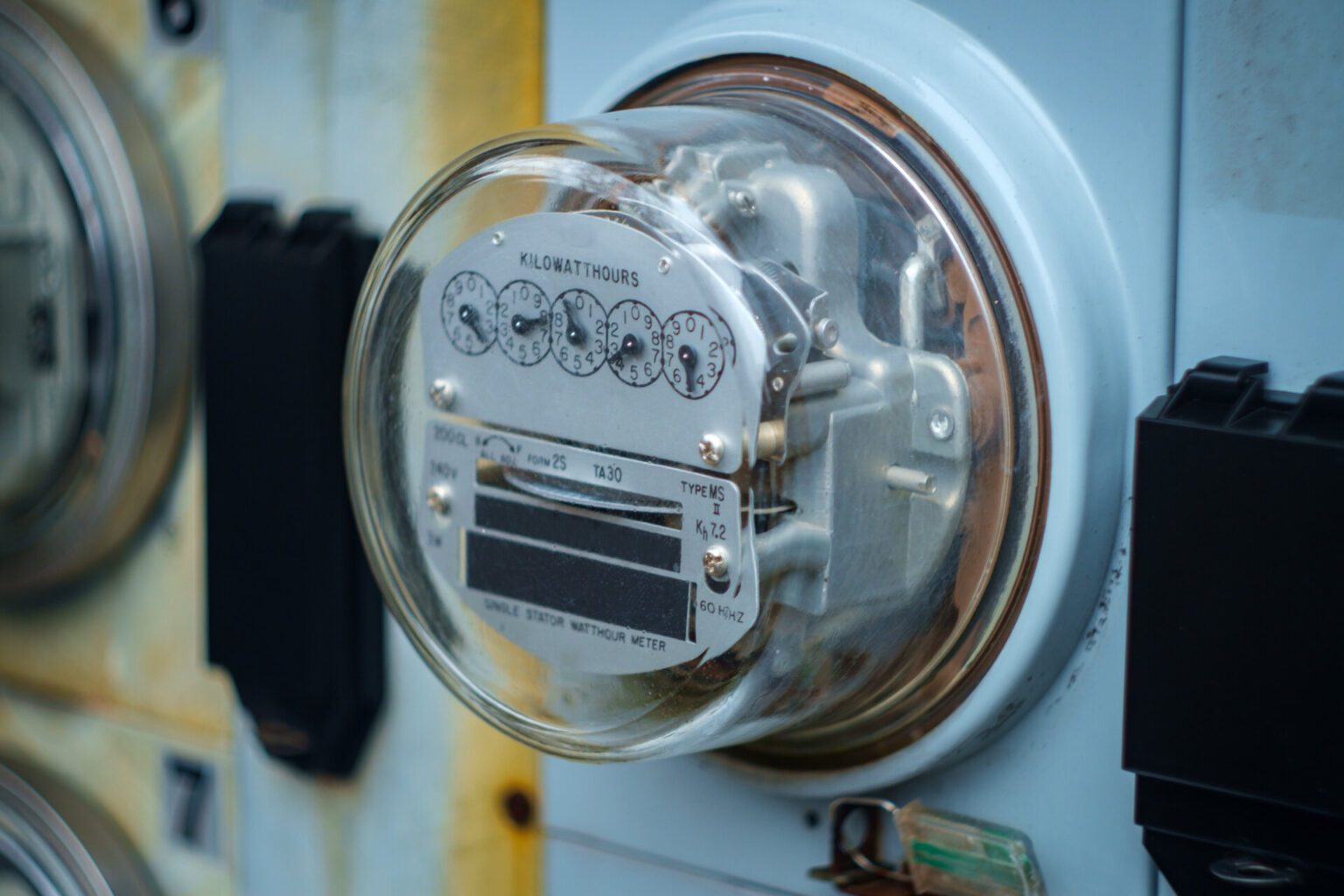
HARTFORD, CT – State Senator Jeff Gordon (R-Woodstock) today raised concerns over H.B. 5340, a bill related to solar power. The proposal would extend three programs currently managed by the Public Utilities Regulatory Authority (PURA), the Residential Renewable Energy Solutions (RRES), Non-Residential Renewable Energy Solutions (NRES), and Shared Clean Energy Facilities (SCEF), which are funded through public benefit charges on monthly electric bills. These programs, which subsidize solar power generation, installation, leasing, and subscriptions, are currently set to expire in 2028, but H.B. 5340 would extend them by 20 years. A separate Energy Storage Solutions (ESS) program also exists.
“Each year these programs are extended, ratepayers will continue to be tagged with public benefit taxes on their already high electric bills,” said Sen. Gordon. “My concern and the reason I voted NO on the bill is that we must put ratepayers first. Electric bills should only be about the electricity you use and nothing else. Connecticut is already unaffordable for too many hard-working people, their families, seniors, and job-creating small businesses. We should not be making things more unaffordable for them.”
Eversource and United Illuminating will be able to legally recover $85 million per year in costs for these programs. “That is $1.7 billion on the backs of ratepayers. For me, this is not about the potential benefits of solar power, which I support looking into as part of an overall zero-carbon energy portfolio for our state, but about affordability. I hear all the time from constituents about high electric bills, and I personally see it through my own personal bills. That is a paramount issue to keep addressing, and I will continue to do so.”
Additionally, Sen. Gordon pointed out that any solar power energy procurement programs that the Department of Energy and Environmental Protection (DEEP) enters into, and that the PURA approves, could cost ratepayers additional money over the 20–30-year lifespan of these long-term contracts.
“These programs lock ratepayers into very long-term, binding payment systems,” said Sen. Gordon. “At this time, looking at various solar power procurement programs, the cost per kilowatt of electricity could range from 2 to 5 times higher than the cost of purchasing a kilowatt of electricity on the open market without solar. That higher cost gets paid by ratepayers. I cannot go on faith that at some time in the future, solar will be cheap enough to be a cost savings. That takes a large scale and time. In the meantime, Connecticut’s Affordability Crisis is ongoing now.”
One part of H.B. 5340 that Sen. Gordon supports is to expand opportunities for plug-in residential solar. “I wish that section of the bill was a stand-alone item to vote for,” said Sen. Gordon. “The technology exists for people to use it, building and fire safety codes can be updated to accommodate it, and trip circuit breakers can be installed to protect electric line crews from any back feeding of power into the grid.”
today raised concerns over H.B. 5340, a bill related to solar power. The proposal would extend three programs currently managed by the Public Utilities Regulatory Authority (PURA), the Residential Renewable Energy Solutions (RRES), Non-Residential Renewable Energy Solutions (NRES), and Shared Clean Energy Facilities (SCEF), which are funded through public benefit charges on monthly electric bills. These programs, which subsidize solar power generation, installation, leasing, and subscriptions, are currently set to expire in 2028, but H.B. 5340 would extend them by 20 years. A separate Energy Storage Solutions (ESS) program also exists.
“Each year these programs are extended, ratepayers will continue to be tagged with public benefit taxes on their already high electric bills,” said Sen. Gordon. “My concern and the reason I voted NO on the bill is that we must put ratepayers first. Electric bills should only be about the electricity you use and nothing else. Connecticut is already unaffordable for too many hard-working people, their families, seniors, and job-creating small businesses. We should not be making things more unaffordable for them.”
Eversource and United Illuminating will be able to legally recover $85 million per year in costs for these programs. “That is $1.7 billion on the backs of ratepayers. For me, this is not about the potential benefits of solar power, which I support looking into as part of an overall zero-carbon energy portfolio for our state, but about affordability. I hear all the time from constituents about high electric bills, and I personally see it through my own personal bills. That is a paramount issue to keep addressing, and I will continue to do so.”
Additionally, Sen. Gordon pointed out that any solar power energy procurement programs that the Department of Energy and Environmental Protection (DEEP) enters into, and that the PURA approves, could cost ratepayers additional money over the 20–30-year lifespan of these long-term contracts.
“These programs lock ratepayers into very long-term, binding payment systems,” said Sen. Gordon. “At this time, looking at various solar power procurement programs, the cost per kilowatt of electricity could range from 2 to 5 times higher than the cost of purchasing a kilowatt of electricity on the open market without solar. That higher cost gets paid by ratepayers. I cannot go on faith that at some time in the future, solar will be cheap enough to be a cost savings. That takes a large scale and time. In the meantime, Connecticut’s Affordability Crisis is ongoing now.”
One part of H.B. 5340 that Sen. Gordon supports is to expand opportunities for plug-in residential solar. “I wish that section of the bill was a stand-alone item to vote for,” said Sen. Gordon. “The technology exists for people to use it, building and fire safety codes can be updated to accommodate it, and trip circuit breakers can be installed to protect electric line crews from any back feeding of power into the grid.”