
Sen. Hwang Votes ‘No’ on State Budget Adjustment, Cites Broken Process & Hidden Costs Through Billions in Spending Increases
May 2, 2026
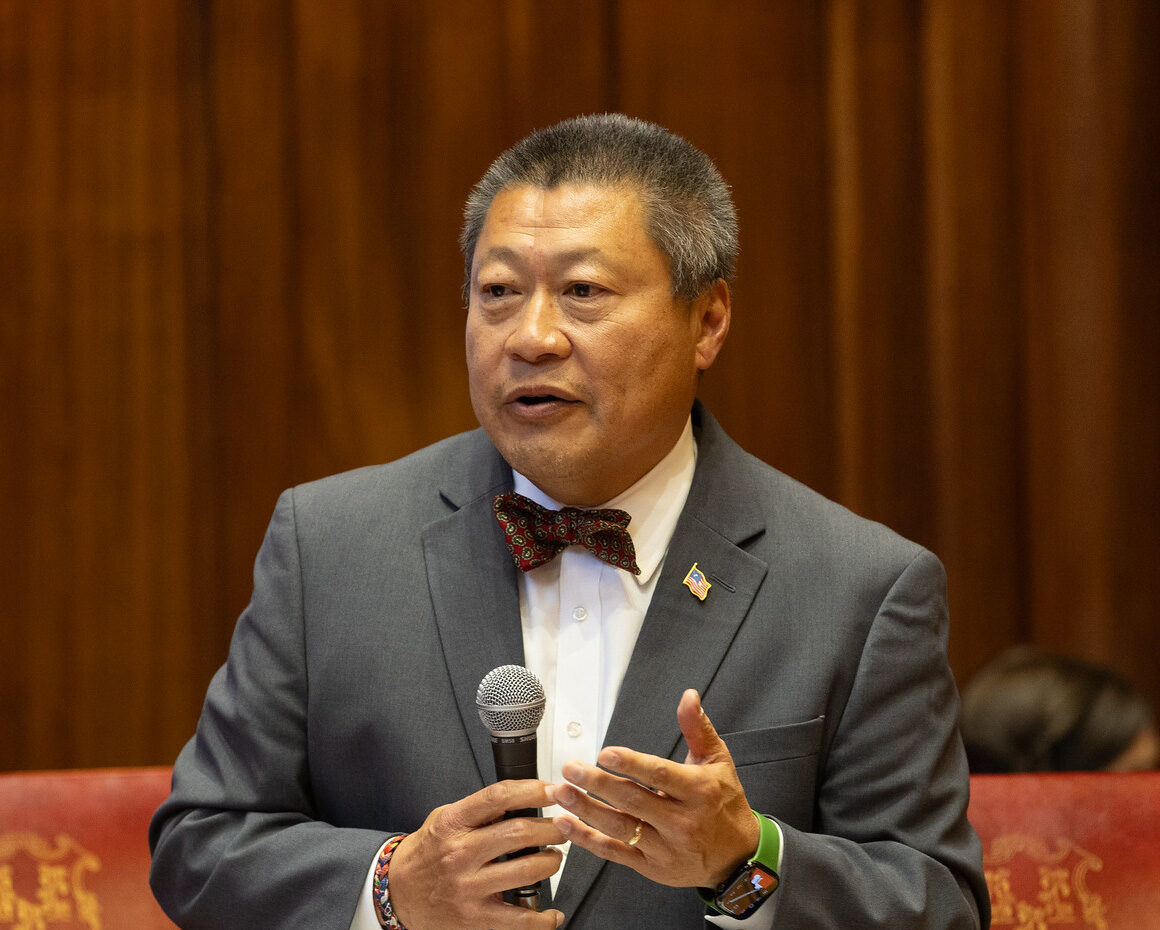
HARTFORD— State Sen. Tony Hwang (R-28), member of the Finance, Revenue, and Bonding Committee, today voted “no” on the proposed 2026 state budget adjustment, citing concerns that the plan relies on disingenuous off-budget maneuvers, weakens key fiscal guardrails, and disrespects the spirit of a transparent budget process.
“This budget reflects a troubling shift away from the bipartisan, transparent process that once defined how we governed,” said Sen. Hwang. “In 2017, Republicans and Democrats worked together to craft a budget that respected fiscal guardrails and helped stabilize our finances. That model has eroded.”
He sharply criticized the process by which the budget adjustment was finalized, noting that the 717-page bill containing nearly 500 sections was released at 2:37 a.m. on the day of the vote.
“We are being asked to vote on a 717-page document; combining the budget, implementer, and bonding package just hours after its release,” Sen. Hwang said. “This is not transparency. This is not deliberation. This is not democracy.”
Key Fiscal Concerns
- $1.24 billion in off-budget spending
- Major costs are moved outside the General Fund, reducing transparency and masking the true size of state spending.
- $747 million in net spending growth
- Spending continues to climb—up 2.6% year-over-year and 8.1% over two years—without a clear long-term funding plan.
- $971 million hospital tax shifted off budget
- A core healthcare funding mechanism is moved into a separate fund, obscuring real obligations rather than addressing them.
- $813 million increase to the volatility cap threshold
- Weakens a key fiscal safeguard by allowing more unpredictable revenue to be spent instead of saved.
- New off-budget municipal funding structure
- Diverts revenue streams, including the meals tax, into new funds outside the General Fund—creating uncertainty for towns that rely on consistent, predictable state aid.
- Hundreds of millions committed outside the normal budget process
- Includes endowment-style funding and supplemental accounts that create long-term obligations without full transparency.
Hidden Costs & Shifting Risk
Sen. Hwang warned that while the budget claims to remain within time-honored and proven spending guardrails, it does so by moving significant spending outside the formal budget structure.
He said, “We can say we are living within the fiscal guardrails, but the reality is we are inching closer to a point where those guardrails become meaningless. When hundreds of millions of dollars are moved into off-budget accounts, supplemental funds, and endowments, the obligation doesn’t disappear—it’s simply hidden. And eventually, someone has to pay that bill.”
He cautioned that those costs will ultimately fall on local communities.
“When the state shifts costs off its books, that risk doesn’t vanish. The risk gets pushed down to our towns who are already operating on slim margins. And when towns face uncertainty, the fallout is higher property taxes on Connecticut families,” Sen. Hwang said.
Broken Process and Lack of Accountability
Sen. Hwang also raised concerns about the consolidation of major policy decisions into a single package and the lack of meaningful public input.
“This bill combines the budget, implementer, and bonding package: three major policy decisions into one vote. Many provisions never went through the committee process or received public input. That is a disservice to the people we were elected to represent.
“There are good ideas in this budget. No one disputes that. But they are overshadowed by a broken process and a fiscal approach that shifts risk away from the state and onto our towns and taxpayers,” he said.
Sen. Hwang concluded, “My ‘no’ vote is not about partisanship. It is about standing up for transparency, accountability, and the people whose voices were never heard in this process. Connecticut deserves a budget that is honest, sustainable, and accountable; not one that passes the bill to our towns and taxpayers.”