
Op-ed | Expanding Cannabis Use in CT Will Make Roads More Dangerous (Hartford Courant)
May 15, 2026
Sen. Hwang op-ed as published in the Hartford Courant:
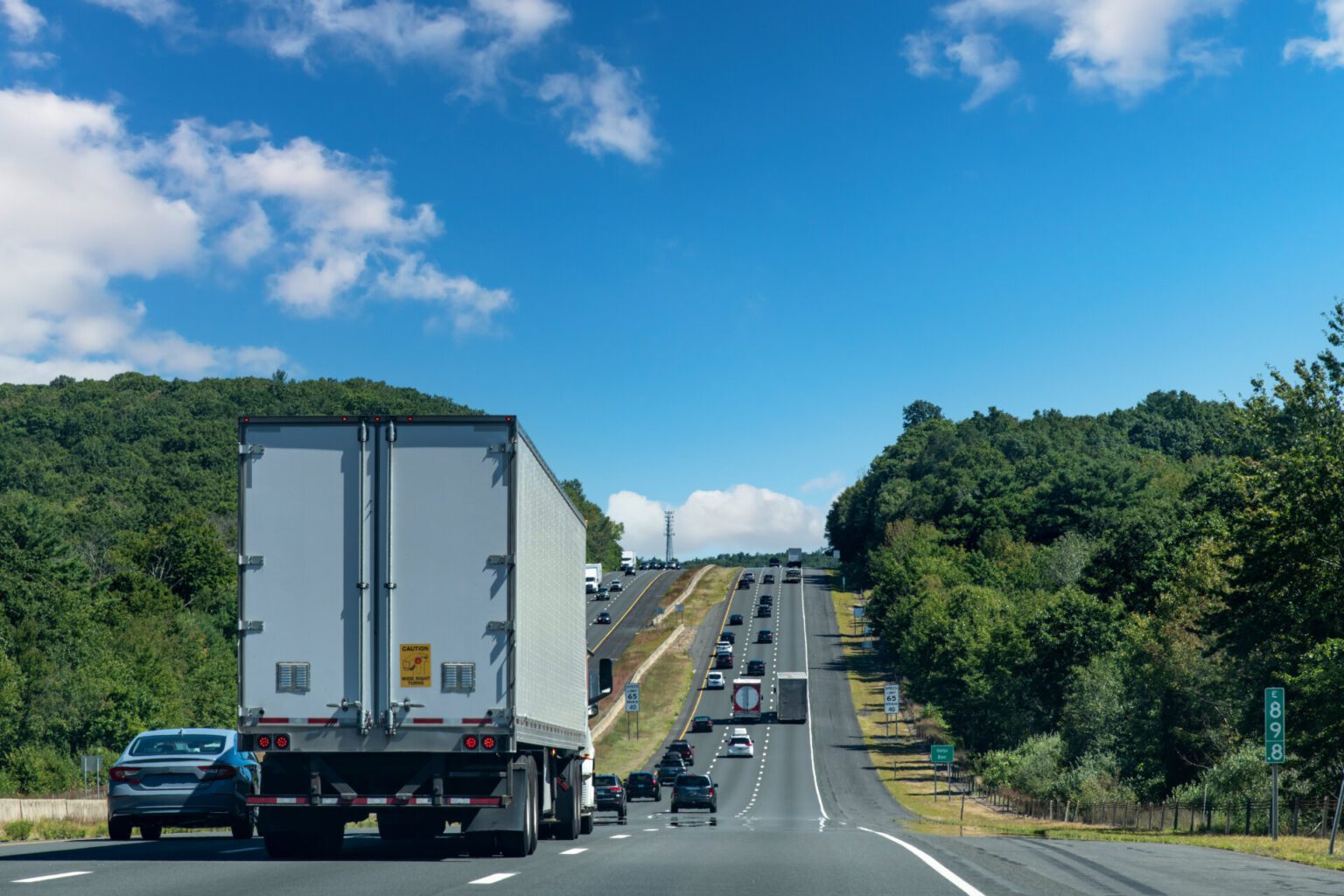
Over the past years, Connecticut’s roads have been some of the most dangerous in the nation. Motorists in the state who traverse Route 15, I-95, I-84, or other highways and byways, see dangers every day. Road rage driving, aggressive driving, and driving under the influence data put Connecticut infamously at the top of many national rankings. Although reports show that roadway fatalities are down compared to the same point last year, we already have 55 people who have been killed on our roadways to date. We are not even halfway through 2026.
Law enforcement continues to sound the alarm about impaired and distracted driving. As a ranking Republican leader of the Connecticut General Assembly’s Transportation Committee, I have worked with fellow committee members and others of cognizance (CT DOT, Public Safety and Judiciary) to advocate for stricter penalties for certain motor vehicle violations. Our committee had led with Vision Zero, a comprehensive approach to traffic safety with the goal to eliminate roadway fatalities and serious injuries; it prioritized safety in transportation planning and policymaking.
This is a time when we should be doing everything we can to make our roads safer. Instead, the state moved in the opposite direction through the legislature’s recent approval of expanding access to cannabis/THC in ways that will only make an already dangerous situation worse.
The legislation, Public Act No. 26-8 builds on the state’s 2021 approval/legalization of recreational marijuana by increasing THC potency limits, expanding product types, and further normalizing use. Even within the bill itself, there is an acknowledgment that cannabis impairs motor skills, slows reaction time, and diminishes judgment: core functions necessary for safe driving. That is why I’m asking Governor Lamont to veto this bill that may have dangerous consequences for Connecticut’s road safety.
We must not continue to expand cannabis access without a reliable way to measure impairment behind the wheel.
That is a serious public safety gap.
Unlike alcohol, where blood alcohol levels provide a clear and enforceable standard through breathalyzer tests, there is no universally accepted roadside test for cannabis/substance impairment. Law enforcement officers are left to make difficult judgment calls, while impaired drivers face little deterrence and consequences.
The result is a growing risk on our roads – one that affects every driver, every family, and every community.
In 2021, I opposed the legalization of recreational marijuana because I believed we were moving too quickly without understanding the long-term societal costs. I warned then that expanding access would exceed our ability to manage its consequences, particularly for young people and public safety.
Those concerns remain today.
This latest expansion is driven, in large part, with the goal to boost Connecticut’s economy: job growth, tax revenue, and competition with neighboring states. I argue that public policy should consider the bigger picture.The recent bill that passed to allow this expansion was not vetted by the legislature’s Public Safety or Public Health Committees. It should have been–to fully understand the impact of public health and safety risks.
With Vision Zero roadway safety goals in mind, I ask: Are our roads safer today than they were before cannabis/THC legalization? Do we have the available tools to identify and stop substance impaired drivers?
Are we adequately protecting young people from increased exposure and possible addiction to high-potency narcotic products?
If the answer to any of those questions is no, then expanding access further is the wrong direction.
Connecticut families deserve safe roads, responsible policy, and leadership that prioritizes long-term public health and safety over short-term financial gains. Before we expand further, we must reexamine that we are not putting more lives at risk. Because when it comes to roadway safety, we cannot afford to get this wrong.