
Sen. Hwang Votes in Opposition of Further Restrictions, Liabilities on Local, State & Federal Law Enforcement (S.B. 397)
April 14, 2026
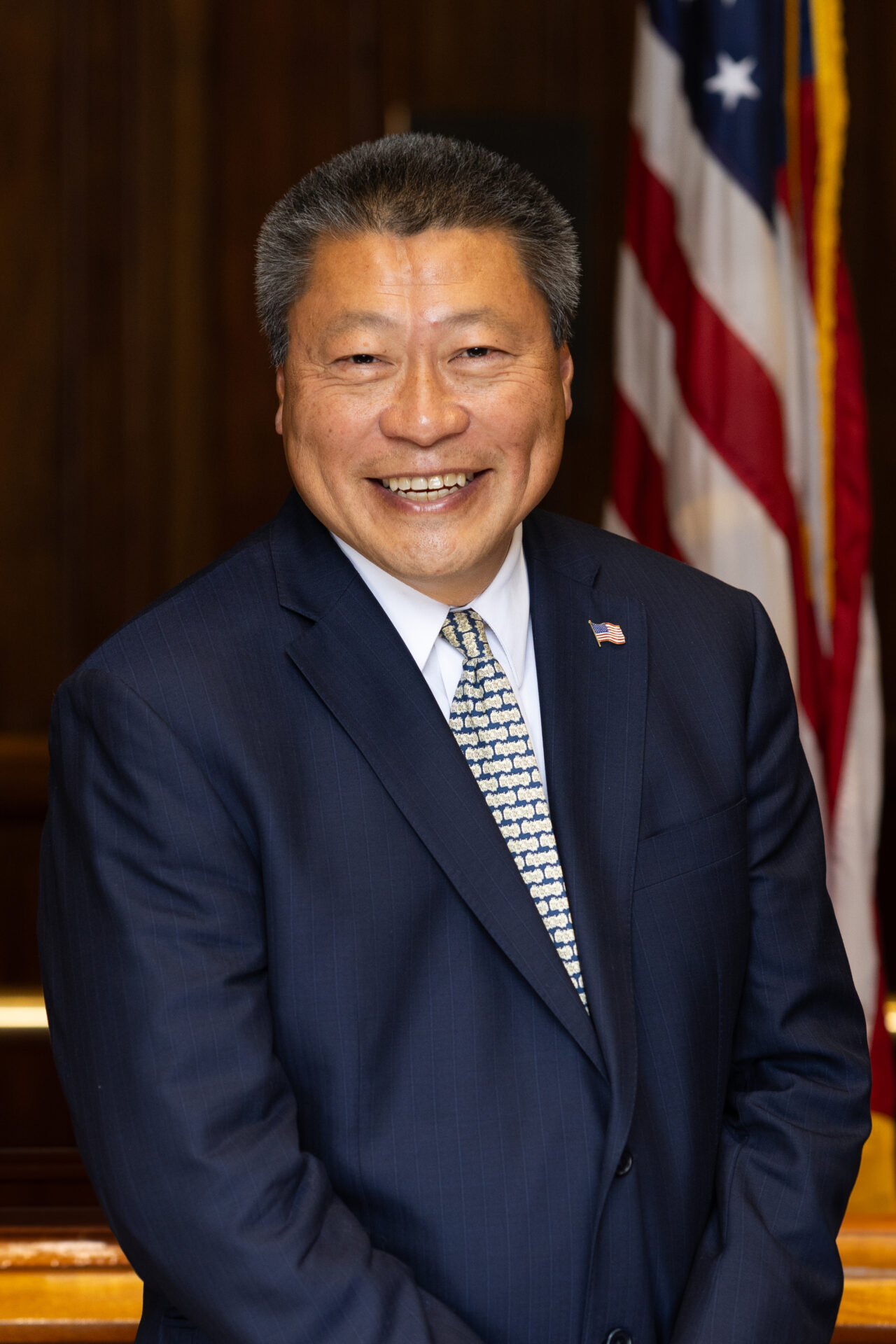
State Sen. Tony Hwang (R–Fairfield) voiced his rational and eventual opposition to Senate Bill 397, arguing that the measure places further restrictions and liabilities on local, state, and federal law enforcement while raising serious constitutional and public-safety concerns. Under the bill analysis, Section 7 broadly prohibits peace officers from detaining, arresting, or taking someone into custody based on a civil offense in state or municipal facilities and a wide range of “protected areas” unless the officer has a judicial warrant, and the bill’s expanded definition of “peace officer” reaches more broadly into federal law enforcement activity.
“The Supremacy Clause of Article VI makes clear that the Constitution and laws of the United States made pursuant to it are the supreme law of the land. At the same time, the Tenth Amendment reserves to the states those powers not delegated to the federal government.
“In my view, S.B. 397 gets that balance wrong. Connecticut absolutely has a role in protecting civil liberties, ensuring due process, and supporting lawful immigrants. But immigration enforcement policy is fundamentally a federal responsibility, and this bill raises serious concerns by attempting to impose state-created restrictions and liabilities in areas where federal authority is paramount.
“I say this not only as a state senator, but as an immigrant and a naturalized citizen of the United States. I deeply appreciate the promise of America, the dignity of lawful immigration, and the need to protect vulnerable individuals from abuse or discrimination. My opposition to this bill is not opposition to immigrants. It is a call for balance, fairness, and constitutional discipline. We can and must respect immigrant rights while also upholding the rule of law, protecting public safety, and supporting the men and women in law enforcement who are sworn to keep our communities safe,” he said.
Sen. Hwang also pointed to the Senate Republican amendment, LCO 4100, which was rejected by the Democrat Senate majority during the April 14 session. That amendment would have preserved critical public safety exceptions by allowing enforcement in these locations when there is a judicial warrant, when the individual has been convicted of specified violent or sexual offenses, when the individual is identified as a possible match in the federal Terrorist Screening Database or similar database, or when exigent circumstances exist, including imminent threats of violence, hot pursuit of a dangerous person, or risk that evidence in a criminal case will be destroyed.
He added, “The majority rejected a commonsense amendment that would have better protected the public and given law enforcement clearer authority in cases involving violent offenders, terrorism concerns, and urgent threats. That decision speaks volumes. At a time when our police departments already face recruitment and retention challenges, we should not be adding more legal uncertainty, more exposure to liability, and more barriers to effective public safety operations.
“Connecticut should be focused on strengthening trust in law enforcement, preserving constitutional order, and defending both public safety and individual rights. We do not have to choose between compassion and the rule of law. We can protect immigrants, honor legal status, and remain faithful to the Constitution without undermining the ability of law enforcement to respond to real threats. That is the balance I believe our residents expect and deserve.”