
Senator Jeff Gordon and Senator Heather Somers Welcome Federal Funding to Enhance Rural Health Care in Connecticut
January 6, 2026
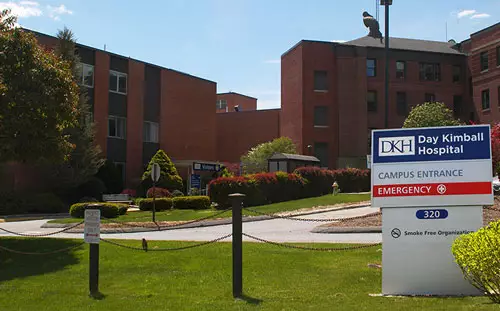
HARTFORD, CT – Senator Doctor Jeff Gordon and Senator Heather Somers, member and Ranking member of the Public Health Committee, respectively, welcomed the good news that Connecticut has been awarded $154 million in significant federal funding from the U.S. Department of Health and Human Services (HHS) as part of the Rural Health Transformation Program, aimed at improving healthcare access and delivery in rural and underserved communities. It is designed to help states and local health organizations address the unique challenges faced by rural areas, including geographic isolation, limited healthcare infrastructure, and shortages of healthcare professionals.
“This federal investment supports what we have been advocating and working for: taking long overdue steps to reverse the state’s track record of needed medical services being withdrawn from rural areas and community hospitals, and making investments and commitments required to build an inclusive and expanded healthcare system that works for every corner of our state, ensuring that rural families receive high-quality and safe care close to home when they need it,” said Senators Gordon and Somers.
The Senators noted that it is a priority for residents of rural parts of Connecticut, such as the communities they represent in the 35th and 18th Senate Districts, to have full access to healthcare, such as labor & delivery, women’s health, cancer care, mental/behavioral health programs, preventative services, dental care, pediatric care, and a wide range of specialty care access points.
The Senators highlighted that the rural health transformation funding is not a “one-off” occurrence, but a new opportunity for the long term. “This investment can help reduce health disparities and improve the quality of life for those living in rural Connecticut. It can advance not just healthcare, but also the way that state agencies work collaboratively with each other, healthcare organizations, and non-profits to increase the effectiveness of healthcare funding and outcomes. The Legislature needs to oversee how this funding is used, assess its effectiveness, be involved in decision-making, and make certain that money spent is done in an accountable and fair way throughout the rural parts of our state. We will continue our strong work as legislators and members of the Public Health and Appropriations committees.”
Connecticut’s funding can be used to pilot projects that leverage technology, modernize healthcare facilities, and build a stronger healthcare workforce to meet the needs of rural communities.
The funding can focus on the following initiatives:
- Telehealth Expansion: Supporting the development of telemedicine infrastructure to provide remote consultations and health services, particularly for residents in areas with limited access to local healthcare facilities.
- Workforce Development: Training and retaining healthcare professionals in rural areas through scholarships, loan forgiveness programs, and community outreach initiatives.
- Facility Modernization: Upgrading rural health facilities with state-of-the-art medical equipment and technology to improve patient outcomes and streamline healthcare delivery.
- Community Health Initiatives: Addressing social determinants of health, such as nutrition, housing, and transportation, to improve overall well-being in rural areas.
Connecticut’s Department of Public Health (DPH) will oversee the implementation of the program in collaboration with local healthcare professionals, community organizations, and educational institutions. The DPH will also work to evaluate the impact of the funded projects to ensure long-term sustainability and effectiveness.
The Rural Health Transformation Program is part of a broader federal effort to ensure that all Americans, no matter where they live, have access to the care they need. Funding is provided as part of Congress House Bill 1. Connecticut now joins a number of other states that are working to address rural health challenges through innovative, community-driven solutions.